
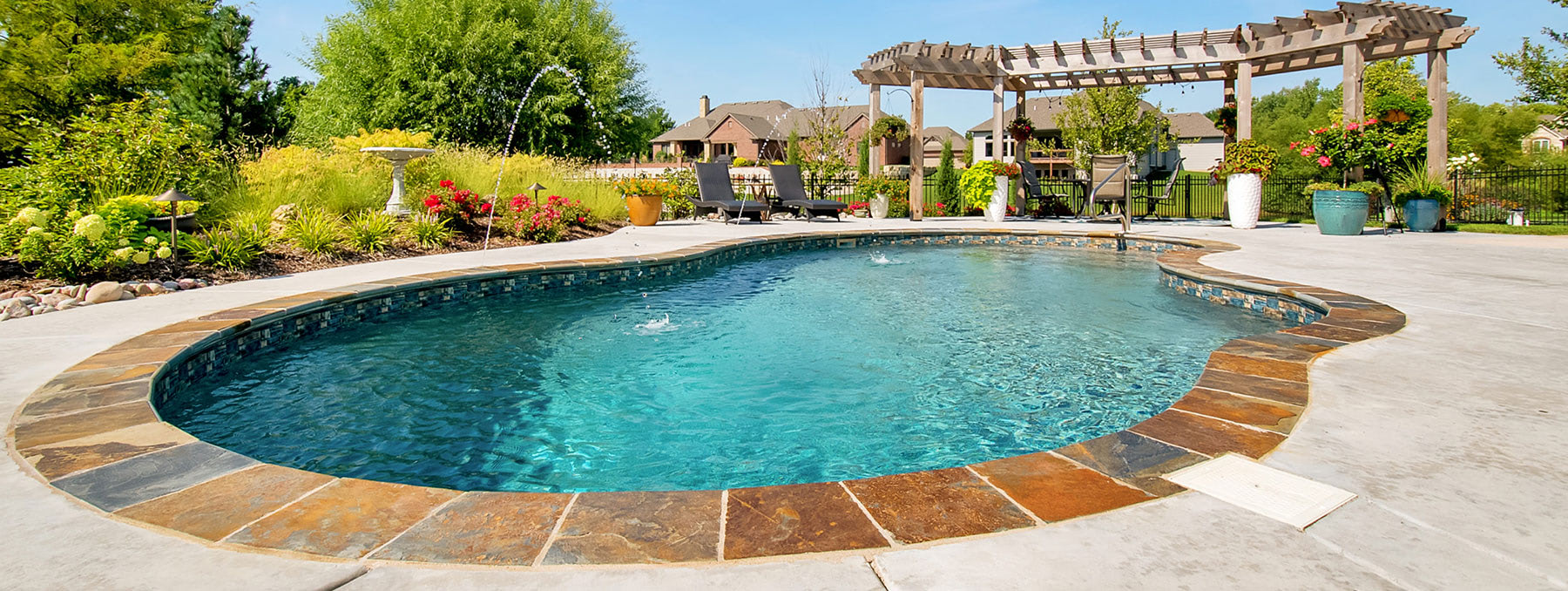
Albert Park sits close to the bay, and its homes deal with sea air, cool winters, and tight blocks. These conditions make indoor pools a practical choice. Aquarius Pools has built enough enclosed swimming spaces to learn what works and what fails. In addition, the lessons below show how Aquarius Pools indoor pool lessons can guide homeowners planning a similar project.
Key Takeaways
- Humidity control is the most important system in any indoor pool room.
- Dehumidifiers, ventilation, and insulation must work together to protect the building.
- Glazing, doors, and finishes need materials that resist chlorine and moisture.
- Heated floors and warm air keep swimmers comfortable after leaving the water.
- Natural light improves the space, although it needs careful glare and heat management.
- Compact lots in Albert Park call for smart layouts and early council checks.
- Regular servicing keeps equipment efficient and extends the life of the room.
Why Indoor Pools Suit Bayside Living
An indoor pool offers year-round swimming regardless of weather. Melbourne winters can turn outdoor pools into unused features for months. Consequently, many owners near the bay choose an enclosed room that stays warm and private.
Privacy matters in dense suburbs as well. Neighbours cannot see in, and wind or street noise stays outside. Moreover, an indoor pool protects the water from falling leaves, dust, and salt-laden air.
Controlling Humidity From Day One
Moisture causes most indoor pool failures. Warm water releases vapour constantly, and that vapour settles on walls, ceilings, and timber. Therefore, a dedicated dehumidification unit is not optional. It removes moisture and recovers heat at the same time.
Designers size the unit to the room volume and water surface area. In other words, a larger pool needs a stronger system. Skipping this step leads to peeling paint, mould, and rusted fixtures within a few years.
Building the Right Shell and Insulation
The room itself must handle constant dampness. Specifically, wall cavities need vapour barriers so moisture cannot reach framing. Insulated ceilings also stop condensation from dripping back into the water.
Not only do these details protect the structure, but they also reduce heating bills. For example, double-glazed windows with thermal breaks keep surfaces warmer, which limits fogging. Furthermore, well-sealed doors hold conditioned air inside the pool hall.
Choosing Materials That Handle Chlorine
Indoor air traps chemical vapours, so materials face harsher conditions than outdoors. Stainless steel grade matters here, whereas standard metals corrode quickly. Porcelain tile, glass mosaic, and sealed stone all resist moisture well.
Timber can work, however, only when treated and ventilated properly. Accordingly, many designers limit wood to feature walls or ceilings with strong airflow. Fixtures near the water should always carry a chlorine-resistant rating.
Using Natural Light Without Glare or Heat Gain
Daylight makes an indoor pool feel open and calm. Skylights and tall windows bring in brightness without extra power. Nevertheless, uncontrolled sun can cause glare on the water and raise room temperature.
Low-emissivity glass reduces heat gain while keeping the view clear. In addition, external shading or tinted panels soften midday light. Placing windows to the south or east often balances brightness and comfort in Melbourne.
Keeping Swimmers Comfortable Around the Pool
Comfort extends beyond water temperature. Air temperature should sit slightly above the water temperature, so swimmers do not feel chilled when they step out. Indeed, a few degrees make a noticeable difference.
Underfloor heating helps too. Warm tiles feel pleasant underfoot, and they dry faster. Additionally, slip-resistant finishes protect children and older swimmers on wet surfaces. A nearby shower and towel storage complete the setup.
Planning Compact Layouts for Albert Park Lots
Many Albert Park blocks have limited width. As a result, designers often place the pool in a basement, a rear extension, or a ground-floor wing. A lap pool with a narrow footprint fits tight sites better than a wide leisure shape.
Council rules and heritage overlays may apply in the area. Therefore, owners should confirm permits before finalising designs. Early checks save time, and they prevent costly redesigns once drawings reach approval stages.
Selecting Efficient Equipment and Maintenance Routines
Energy use rises in enclosed pools, so efficient equipment pays off. Heat pumps, variable-speed pumps, and insulated covers all reduce running costs. Moreover, a good cover limits evaporation, which eases the load on the dehumidifier.
Routine servicing keeps everything working. For instance, technicians should inspect ventilation filters, test water chemistry, and check seals each season. Consistent care protects both the pool and the room around it.


