
Holistic strategies for PCOS & Endometriosis Management via Lifestyle Data. Track symptoms, diet, and activity to personalize care.
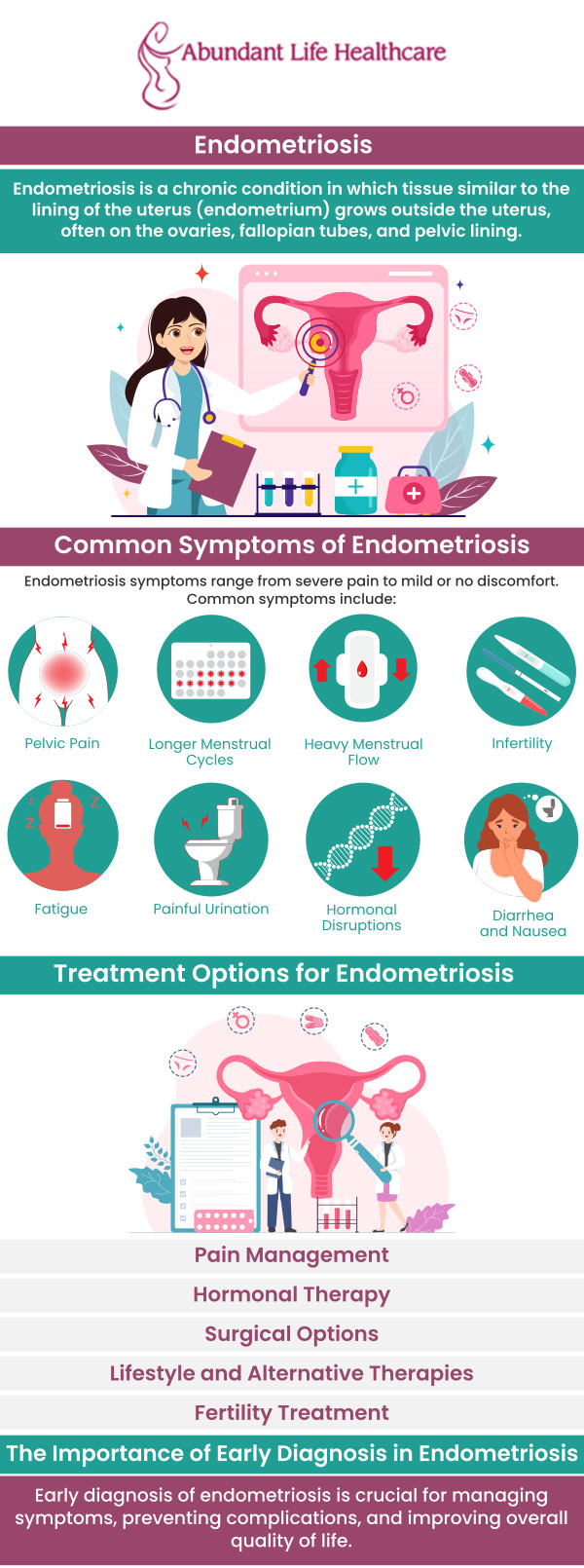
Living with both Polycystic Ovary Syndrome (PCOS) and Endometriosis presents unique challenges. Often, patients in the US feel unheard or receive fragmented care. My own experience, and that of many others, shows that a generalized treatment approach rarely suffices. We learn to become advocates, meticulously observing our bodies. This journey of self-observation naturally leads to a data-driven approach, fundamentally changing how we approach health.
Key Takeaways
- PCOS and Endometriosis require a personalized, data-backed approach for effective management.
- Tracking lifestyle factors like diet, exercise, sleep, and stress helps identify individual triggers and patterns.
- Consistent data collection empowers patients to make informed decisions about their health.
- This approach facilitates more productive conversations with healthcare providers.
- Lifestyle data can reveal insights into symptom fluctuation, pain levels, and overall well-being.
- Dietary modifications and targeted physical activity are core elements, guided by personal data.
- Managing stress and prioritizing sleep are crucial, with their impact visible through lifestyle tracking.
Understanding Your Body: A Foundation for PCOS & Endometriosis Management via Lifestyle Data
Both PCOS and Endometriosis manifest differently in each individual. What triggers a flare-up for one person might have no effect on another. This is where personal data becomes invaluable. For years, I struggled with unpredictable symptoms, ranging from severe pelvic pain and fatigue to digestive issues and hormonal acne. Traditional medical advice, while helpful, often felt like a broad stroke. It lacked the precision needed for my specific body.
The first step in PCOS & Endometriosis Management via Lifestyle Data involves diligent symptom tracking. This means noting down daily pain levels, their location and intensity, menstrual cycle details, and any associated symptoms like bloating, mood swings, or digestive upsets. Many free apps or simple journals can serve this purpose. This granular information builds a unique health profile, far more detailed than typical patient records. This deep understanding is the bedrock for making targeted lifestyle changes. Without it, you are simply guessing.
Empowering Decisions Through Personalized Data Collection
Collecting lifestyle data extends beyond just symptoms. It includes elements like dietary intake, physical activity, sleep quality, and stress levels. For example, logging everything eaten and drunk can reveal patterns. Does dairy trigger inflammation? Does caffeine worsen anxiety or bladder pain? How does walking for 30 minutes impact your energy later in the day?
These are critical questions that personal data answers. I found that specific foods, even “healthy” ones, caused issues for me. Similarly, certain types of exercise were more beneficial than others for managing pain and energy. This data collection empowers patients. Instead of feeling helpless, you gain agency. You can walk into a doctor’s office with objective evidence, illustrating your experiences and how your body responds to various inputs. This shifts the dynamic, allowing for truly collaborative care. Many in the US are seeking this level of control over their health.
Diet and Movement: Core Pillars of PCOS & Endometriosis Management via Lifestyle Data
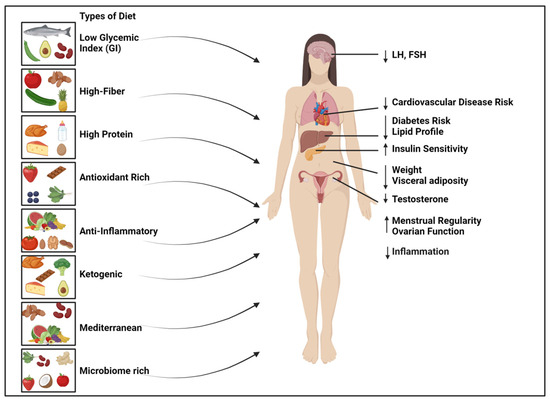
Dietary adjustments are often among the first lifestyle changes recommended for both conditions. An anti-inflammatory approach is generally beneficial. This means focusing on whole foods, plenty of fruits and vegetables, lean proteins, and healthy fats. However, the specific nuances come from personal data. Tracking food intake alongside symptoms helps identify individual food sensitivities or triggers. For some, gluten or dairy might be inflammatory. For others, it could be nightshades or artificial sweeteners.
Similarly, movement is crucial. Regular exercise can improve insulin sensitivity in PCOS and help manage pain and inflammation in Endometriosis. The type and intensity of exercise can vary widely. Gentle activities like yoga or walking might be better during painful flares. Strength training can build muscle and improve metabolic health. PCOS & Endometriosis Management via Lifestyle Data allows you to correlate specific activities with your energy levels, pain reduction, and overall well-being. This evidence-based personalization is key to sustained improvement.
Stress, Sleep, and Support: Advanced PCOS & Endometriosis Management via Lifestyle Data
Beyond diet and exercise, stress management and adequate sleep are powerful determinants of health for those with PCOS and Endometriosis. Chronic stress can exacerbate hormonal imbalances and inflammation, intensifying symptoms for both conditions. Tracking stress levels, identifying triggers, and noting the impact of stress-reduction techniques (like meditation or deep breathing) provides critical insights.
Sleep quality directly affects everything from hormone regulation to pain perception and mood. Using sleep trackers or simply logging hours slept and sleep quality can reveal significant correlations with symptom severity the following day. Building a supportive network, whether through online communities or local groups, also plays a role in overall well-being. Integrating these elements into your lifestyle data tracking offers a truly holistic picture, moving beyond isolated symptoms to manage the full scope of these complex conditions.


