Exploring critical safety aspects of neuro-link interfaces and brain-computer research. Focus on ethical guidelines, technical risks, and patient welfare.
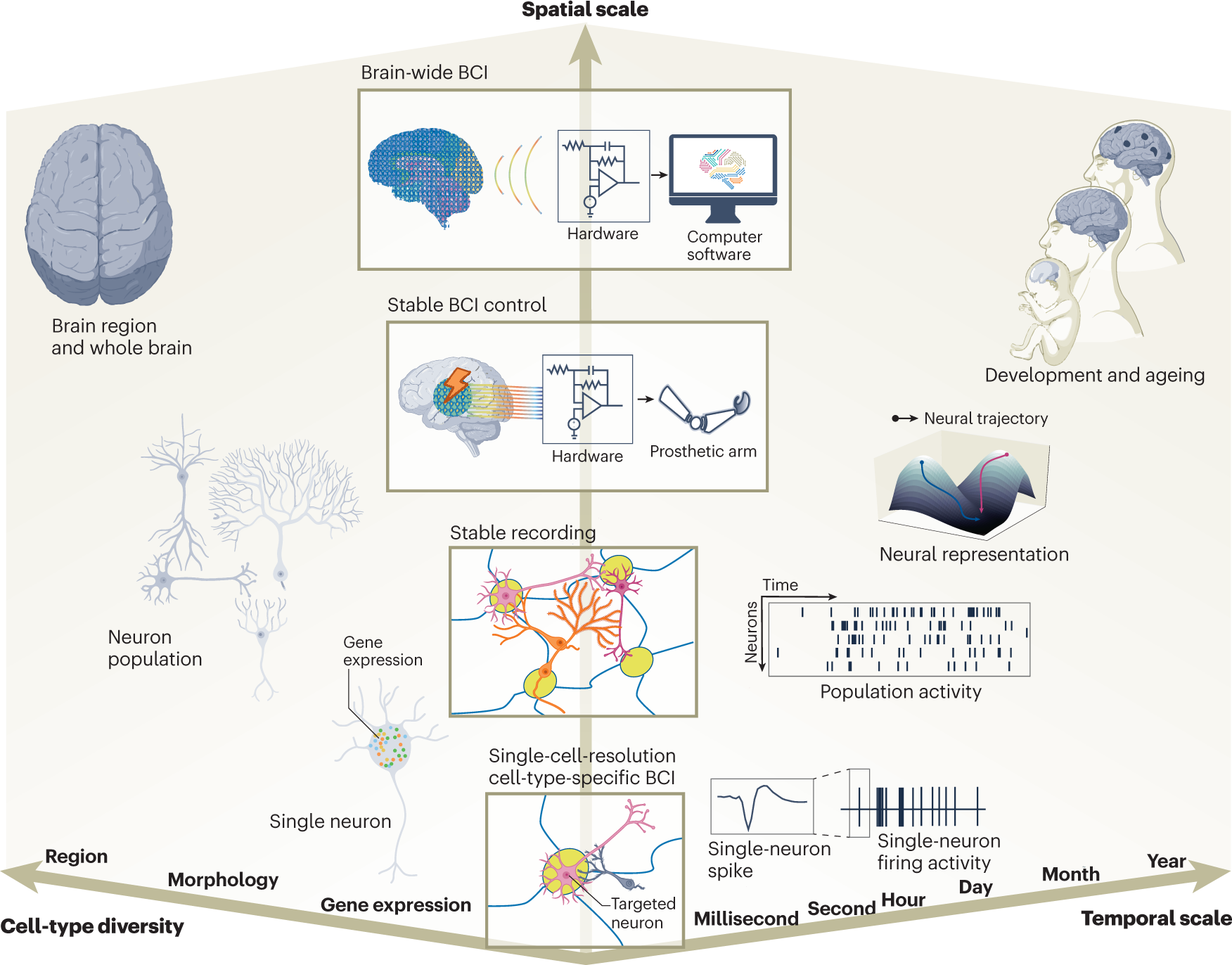
The rapid advancement in Neuro-Link Interfaces & Brain-Computer Research presents both incredible promise and significant challenges. From restoring sensory function to enabling communication for those with locked-in syndrome, these technologies offer life-altering potential. However, the intimate connection between technology and the human brain demands rigorous safety protocols, ethical foresight, and robust regulatory oversight. My experience working alongside researchers and developers in this field emphasizes the critical need for a balanced approach: fostering innovation while safeguarding human well-being. It is not merely about technical feasibility but about responsible integration into human lives.
Key Takeaways:
- Safety in brain-computer interface (BCI) development requires a multi-faceted approach, encompassing technical, ethical, and regulatory dimensions.
- Minimizing risks like infection, hardware failure, and unintended neural effects is paramount in BCI implementation.
- Ethical considerations, including informed consent, data privacy, and cognitive augmentation concerns, are central to responsible research.
- Rigorous testing, validation, and transparent reporting are crucial for building trust and ensuring device reliability.
- Regulatory bodies, such as the FDA in the US, play a vital role in establishing safety standards for neural devices.
- Long-term monitoring of BCI users is essential to understand potential chronic impacts and refine safety protocols.
- Public engagement and education are necessary to foster understanding and address societal concerns regarding neurotechnology.
The Evolving Landscape of Neuro-Link Interfaces & Brain-Computer Research
Working directly with neural interface technologies reveals their complexity. These systems range from non-invasive EEG headsets to implantable electrodes that directly interact with brain tissue. The invasive procedures, while offering higher bandwidth and precision, introduce inherent surgical risks like infection, hemorrhage, or tissue damage. My colleagues and I prioritize minimizing these surgical complications, utilizing advanced imaging and precision robotics during implantation. Device longevity is another practical concern; components can degrade, necessitating revision surgeries or leading to signal instability. We continually seek materials and designs that offer long-term biocompatibility and reliability within the delicate neural environment.
Beyond the surgical risks, the long-term interaction of electronic components with living tissue presents unique challenges. Issues such as biofouling, encapsulation of electrodes, and the immune response can degrade performance over time. Engineers and neuroscientists collaborate to develop novel coatings and electrode designs to mitigate these biological reactions. From a practical standpoint, the ongoing monitoring of participants is crucial for identifying and addressing any adverse effects promptly. Data from these real-world deployments directly informs successive design iterations, contributing to safer and more effective Neuro-Link Interfaces & Brain-Computer Research.
Technical Hurdles and Risk Mitigation in BCI Development
Developing safe and effective brain-computer interfaces involves navigating numerous technical hurdles. One primary concern involves the potential for unintended stimulation or interference with normal brain function. Rigorous testing, both in simulated environments and preclinical models, is essential to validate device safety before human trials. We conduct extensive electromagnetic compatibility testing to ensure the devices do not interfere with other medical equipment or cause harm due to stray fields. Power management within implantable devices also presents a significant challenge. Ensuring adequate battery life without generating excessive heat, which could damage brain tissue, requires sophisticated engineering.
Furthermore, data security and privacy are critical. Neural data, especially from invasive devices, is highly sensitive and personal. Protecting this information from unauthorized access or misuse is paramount. Robust encryption, secure data storage protocols, and strict access controls are implemented at every stage of data handling. In my experience, fostering a culture of cybersecurity awareness among research teams is as important as the technical safeguards themselves. The ongoing quest for more resilient hardware and secure software frameworks remains a top priority, driving much of the innovation in this field.
Ethical Frameworks in Neuro-Link Interfaces & Brain-Computer Research
The ethical dimensions of neural interfaces are profound and require careful consideration from the outset of any project. Gaining truly informed consent from individuals who may be vulnerable due to neurological conditions is a complex process. Researchers must ensure participants fully grasp the experimental nature, potential risks, and benefits of the technology. My work involves ensuring that ethics review boards understand the specific nuances of BCI research, which often goes beyond traditional medical device oversight. Questions about cognitive augmentation, personality changes, or the potential for coercion must be proactively addressed.
Furthermore, the implications of brain data privacy extend beyond simple data breaches. The raw neural signals could potentially reveal sensitive personal information, including thoughts, intentions, or emotional states. Establishing clear guidelines for data collection, storage, and sharing, with the explicit consent of the user, is non-negotiable. We also consider the equitable access to these technologies. As these systems become more sophisticated, ensuring they do not exacerbate existing societal inequalities is a pressing ethical challenge that informs policy discussions in the US and globally. These ongoing ethical dialogues are foundational to responsible Neuro-Link Interfaces & Brain-Computer Research.
Regulatory Oversight for Neuro-Link Interfaces & Brain-Computer Research
Establishing robust regulatory frameworks is crucial for ensuring the safety and efficacy of neuro-link technologies. In the US, the Food and Drug Administration (FDA) plays a central role in overseeing medical devices, including implantable brain-computer interfaces. Their approval process demands extensive preclinical testing, robust clinical trial data, and detailed documentation on manufacturing processes. This rigorous review helps to minimize risks and ensure that devices perform as intended in a clinical setting. We routinely engage with regulatory bodies to understand evolving guidelines and integrate them into our research and development cycles.
Adherence to good manufacturing practices (GMP) and strict quality control measures are non-negotiable in this domain. Each component, from the electrodes to the software, must meet stringent standards to ensure patient safety. Post-market surveillance is also a vital aspect, allowing for the identification of any unforeseen long-term complications or device malfunctions once a BCI is in broader use. This continuous feedback loop between development, regulation, and real-world application is fundamental. It informs future device improvements and strengthens the overall safety profile for Neuro-Link Interfaces & Brain-Computer Research.